
Puja & Spiritual Healing: The Meaning of Sacred Rituals and Spiritual Practice
Faith has been a part of human life for many generations. Different people have different ways of expressing their beliefs, marking their traditions and celebrating important events. Pujas are one of the earliest forms of worship in Hindu culture. It blends prayers, offerings, sacred words, and acts of devotion.
Religion is a daily part of life for many families. Some start their day with a prayer. Others go to temples on special occasions or perform rituals during festivals. These customs help to retain the cultural values and connect the younger generations with their heritage.
Spiritual healing is another feature of this tradition. It is about faith and about self-reflection and inner awareness. When faced with change , people often respond with prayer, meditation, or chanting a mantra. These practices give you time to stop, think, and understand your own thoughts. Puja and spiritual healing are different practices, but both are important in many spiritual traditions.


The Purpose Behind Performing Religious Rituals
Every religious ritual has a reason. Some ceremonies are for a god or goddess; others are to celebrate a fresh start or to give thanks. Their importance depends on the occasion and on the family’s beliefs.
In Hindu worship even simple acts can be meaningful. Lighting a diya is a symbol of light and knowledge . Flowers express respect and devotion. Repetition of mantras helps to create a focused mood for prayer.
People may have several reasons for doing rituals:
- To preserve family and cultural traditions.
- To express gratitude through prayer.
- To celebrate important life events.
- To honour religious beliefs.
- To take time for reflection.
- To stay connected with spiritual roots.
A ceremony doesn’t have to be big to be meaningful. Simple worship can also be the expression of true faith. The important thing is to know what the ritual is for.
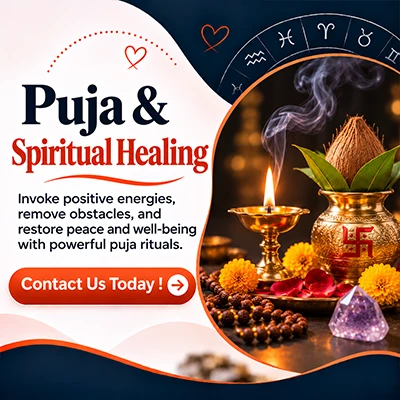
Understanding Different Forms of Puja
There are many forms of worship in Hindu traditions. Each has its own religious meaning, customs, and way. Which one is chosen depends on the deity and the reason for holding the ceremony.
Ganesh Pooja
Many new beginnings come after worship of Lord Ganesha. Families perform this puja before starting a business, moving into a new house, or arranging a marriage. The ritual is a gesture of respect to wisdom and a clearing away of obstacles.
Lakshmi Pooja
The Goddess Lakshmi is the goddess of wealth, prosperity, and good luck. Lakshmi Puja is usually performed by families during Diwali. The ceremony may have lamps, flowers, sweets, and traditional prayers.
Shiva Puja
Lord Shiva is worshipped in the different forms of prayers and offerings. Devotees also offer water, milk, and bilva leaves to the Shiva Lingam. Mahashivratri is an important festival for Shiva worship.
Navagraha Pooja
The Navagraha Puja is associated with the nine planets of Vedic Astrology. These are Sun, Moon, Mars, Mercury, Jupiter, Venus, Saturn, Rahu, and Ketu. The ritual is based on the traditional beliefs about the influences of planets.
Durga Pooja
Durga Puja is a tribute to Goddess Durga and her power. It is linked to the victory of good over evil. The ceremony usually involves prayers, devotional songs, and offerings.
How Spiritual Healing Supports Personal Reflection
Spiritual healing involves practices that assist individuals in examining their beliefs and thoughts. This may involve prayer, meditation, chanting, or reading religious texts.
Some people use these practices during difficult times. Others integrate them into their daily routine. The aim is to give time for reflection and encourage a greater awareness of oneself.
Some of the more common methods are
Meditation: Sitting quietly and noticing thoughts can help people become more aware of their feelings. It also allows the mind to rest from everyday distractions.
Chanting mantras: Repetition of sacred words can help you stay focused during prayer. Many Hindu mantras originate from ancient religious texts.
Prayer: People use prayer to express their concerns, desires, and gratitude through belief.
Spiritual reading: The Bhagavad Gita and other texts discuss duty, patience, action, and self-knowledge. Reading them can give ideas for daily life.
Breathing exercises: Slow breathing can promote relaxation and assist people in staying present.
These methods can support personal well-being. But they are not a substitute for medical care, therapy, or professional support.
The Role of Sankalp in Traditional Worship
Sankalp is a formal declaration of intent before a Hindu ceremony. It gives you the reason why a person is doing the ceremony. During Sankalp, the worshipper may state his name, place, and purpose. This part of the ceremony is often conducted by a priest using traditional Sanskrit verses.
It helps give direction to the rite. For example, a family may take Sankalp before a festival puja or a ceremony performed at home. This practice reminds people to participate with a clear purpose, too. It shows that worship is more than simply performing rituals or making offerings. Learning Sankalp can help people learn the more profound meaning of Hindu ceremonies.
Making Spiritual Practices Part of Everyday Life
You don’t need to wait for a festival or special occasion to be spiritual. Small habits can also be a part of a person’s spiritual routine. Time for reflection can be made with a few minutes of morning prayer, reading a religious verse or sitting quietly. Some like to meditate in the evening after they have finished their daily work.
Simple acts can also reveal spiritual values. In many religious teachings, kindness, honesty, and helping others are important ideas. The goal is to incorporate these values into daily life. If people understand why religious practices are done and do them carefully, they become more meaningful.
Frequently Asked Questions
Puja is a way of people praying to a god, giving thanks, and performing religious rituals. It also provides time for prayer, worship, and reflection in the Hindu faith.
Yes. Spiritual practices can involve meditation, prayer, chanting mantras, and reading sacred texts. People can choose methods that suit their beliefs and personal comfort.
Sankalp is the promise of a religious ceremony. It helps the worshipper understand the purpose of the ritual and participate with a clear mind.
Common items are flowers, fruits, incense, diya, water, and sweets. The exact materials depend on the deity and the ceremony and customs followed by the family.
Spiritual practices may help with personal reflection and comfort, but they are not a replacement for medical treatment, mental health care, or advice from qualified health care professionals.